For most homeowners, the plumbing system remains an out-of-sight, out-of-mind convenience until something goes drastically wrong. A compromised underground pipe is one of the most stressful and potentially damaging emergencies a property owner can face. Whether it is a slow, lingering leak beneath your front lawn or a sudden, catastrophic backup flooding your bathrooms, dealing with compromised wastewater plumbing requires immediate, professional intervention.
If you suspect you are facing an underground plumbing disaster, you are likely searching for reliable broken sewer line repair solutions.
In the Tulsa, Oklahoma area, underground pipes face a highly specific set of environmental stressors. Between the extreme temperature swings of our local climate, the dense clay soils of Green Country, and the aggressive root systems of mature oak and elm trees, your property’s plumbing is constantly under attack. Understanding the underlying causes of pipe failure, recognizing the early warning signs, and knowing your repair options are the first steps toward protecting your property investment and restoring your peace of mind.

Understanding Tulsa’s Unique Plumbing Challenges
To effectively address underground pipe failures, it is essential to understand why they happen in the first place. The Tulsa metropolitan area presents a unique ecosystem that accelerates the degradation of specific plumbing materials, particularly older cast iron or clay pipes installed in historic neighborhoods like Midtown or Maple Ridge.
- Expansive Clay Soils: Much of northeastern Oklahoma sits on top of expansive clay soil. When the region experiences heavy seasonal rainstorms, this clay absorbs massive amounts of water and expands, putting immense crushing pressure on buried pipes. During scorching summer droughts, the soil rapidly shrinks and pulls away, leaving heavy pipes unsupported. This constant shifting causes rigid pipes to belly, crack, or shear completely at the joints.
- Invasive Tree Roots: Mature trees are a beautiful staple of Tulsa neighborhoods, but their root systems are incredibly destructive. Tree roots naturally seek out moisture and nutrients. Even the smallest hairline fracture in a wastewater pipe releases vapors that attract roots. Once inside, the roots expand into massive webs, creating severe blockages and eventually bursting the pipe from the inside out.
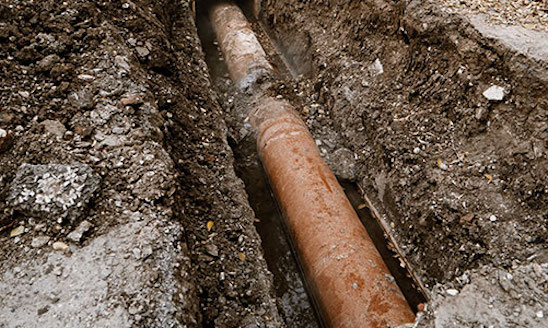
- Aging Infrastructure: Many homes built prior to the 1980s utilize clay tile or cast-iron sewer lines. While durable for their time, these materials have a finite lifespan. Cast iron naturally rusts, scales, and degrades through channeling (where the bottom of the pipe rots away), while clay becomes highly brittle over the decades.
Quick Reference: Sewer Repair Methods and Symptoms
To help you quickly identify the problem and understand the modern solutions available, review this professional breakdown of pipe failure symptoms and the corresponding repair methodologies used by top-tier plumbers:
| Pipe Condition | Primary Symptoms | Recommended Solution | Structural Impact |
| Minor Root Intrusion | Slow draining fixtures, occasional gurgling sounds. | Hydro-Jetting & Chemical Root Treatment | Low – Clears the line without excavation. |
| Cracked / Leaking Pipe | Lush green patches in the yard, foul odors, damp soil. | Trenchless Pipe Lining (CIPP) | Low – Creates a new pipe within the old one. |
| Collapsed or Sheared Pipe | Complete sewage backup, sinkholes, foundation cracks. | Trenchless Pipe Bursting or Traditional Excavation | Moderate to High – Requires full structural replacement. |

5 Warning Signs You Need Broken Sewer Line Repair
Waiting for a complete pipe collapse is a costly mistake. By the time raw sewage is backing up into your bathtubs, the structural damage is already severe. To minimize repair costs and property damage, property owners must stay vigilant for the early warning signs that indicate a subterranean issue.
1. Unpleasant Odors Around the Property
Your plumbing system is designed to be completely airtight, venting noxious sewer gases safely through the roof. If you begin to notice the distinct, sulfurous smell of rotten eggs lingering around your front yard, basement, or ground-level floor drains, it is a glaring red flag. A cracked pipe allows these hazardous gases to escape into the surrounding soil and seep up to the surface.
2. Slow Draining and Gurgling Fixtures
An isolated slow drain usually indicates a localized clog in a P-trap. However, if multiple fixtures across your home such as the kitchen sink, guest bathroom shower, and laundry drain are all emptying sluggishly at the same time, the blockage is deep within the main lateral line. Furthermore, if flushing your toilet causes the shower drain to gurgle or bubble, it means trapped air is being forced backward due to an obstruction or pipe collapse.
3. Unexplained Lush Patches in Your Lawn
While every homeowner wants a green yard, an unusually vibrant, rapidly growing patch of grass in the middle of a dry summer lawn is cause for concern. Wastewater acts as a highly effective, nutrient-rich fertilizer. If a pipe is leaking underground, the soil directly above it will absorb the moisture and nutrients, causing the vegetation on the surface to thrive abnormally compared to the rest of the landscaping.
4. Structural Sinkholes and Foundation Cracks
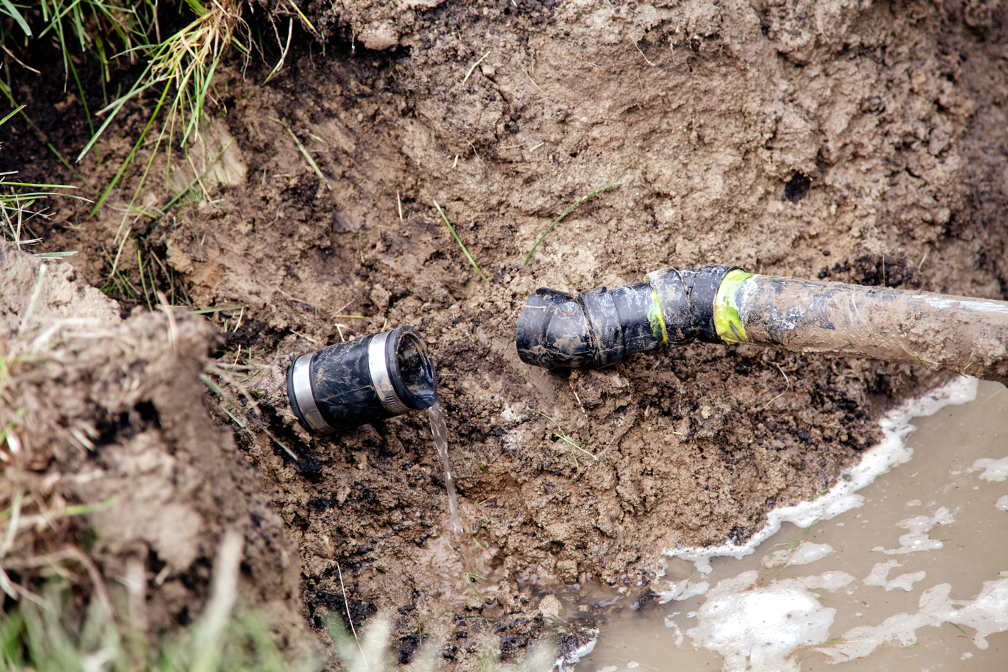
When an underground pipe breaks, the continuous flow of leaking water slowly washes away the supporting subsoil beneath your yard or driveway. As this erosion process continues, it creates large subterranean voids. Eventually, the surface dirt will cave in, resulting in noticeable dips, divots, or dangerous sinkholes in your lawn. If this erosion occurs directly beneath your home’s concrete slab, it can lead to devastating foundation settlement and structural cracking.
5. Frequent and Stubborn Backups
If you find yourself calling a plumber every few months to snake the same main line, the issue is no longer just a simple clog. Frequent backups are a primary indicator that the pipe has suffered structural failure. The line may have “bellied” (sagged to create a pool of standing water), roots may have completely taken over, or the pipe walls may have degraded to the point where waste is catching on jagged metal edges.
Modern Solutions: Traditional Excavation vs. Trenchless Technology
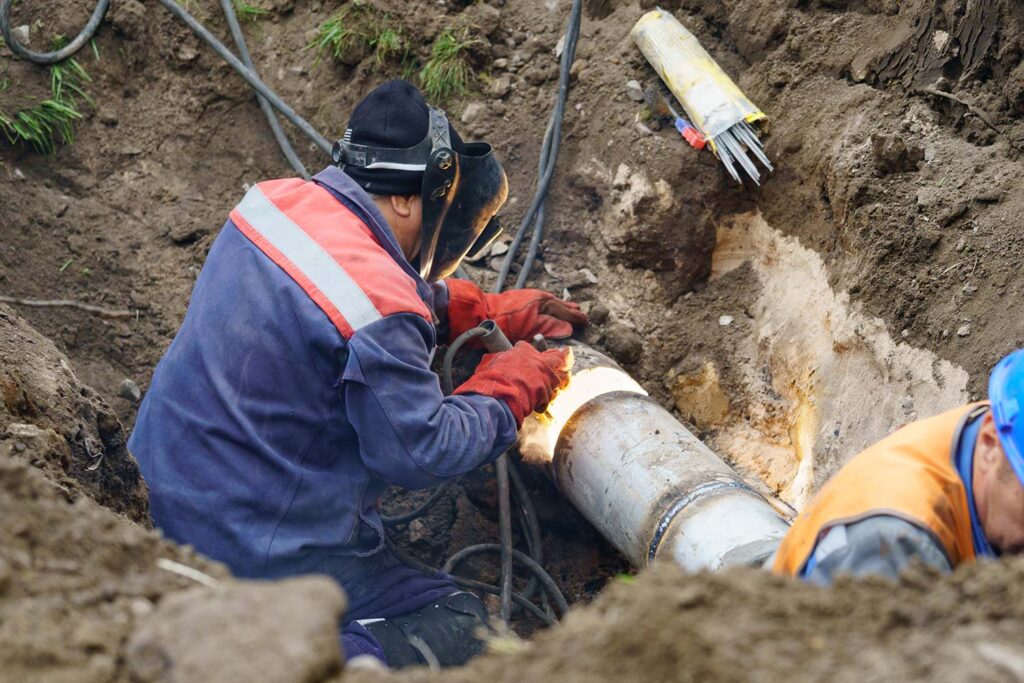
Historically, the only way to execute a broken sewer line repair was to bring in heavy machinery. Plumbers would have to dig a massive, deep trench across the entire property, destroying landscaping, tearing up concrete driveways, and disrupting the neighborhood just to reach the damaged pipe. While traditional open-trench excavation is still necessary for pipes that have completely collapsed or lost their slope, modern plumbing technology offers a far superior alternative for most homeowners.
Trenchless sewer repair has revolutionized the industry by allowing technicians to fix or replace underground lines with minimal digging.
Cured-in-Place Pipe (CIPP) Lining
If the existing pipe is cracked or leaking but still maintains its basic structural shape, technicians can use a CIPP lining method. A flexible, epoxy-saturated felt tube is inserted directly into the damaged pipe through a small, single access point. Once inside, a specialized bladder is inflated, pressing the epoxy firmly against the interior walls of the old pipe. As the epoxy cures, it hardens into a seamless, highly durable, and root-proof “pipe within a pipe” that can last for over fifty years.
Trenchless Pipe Bursting
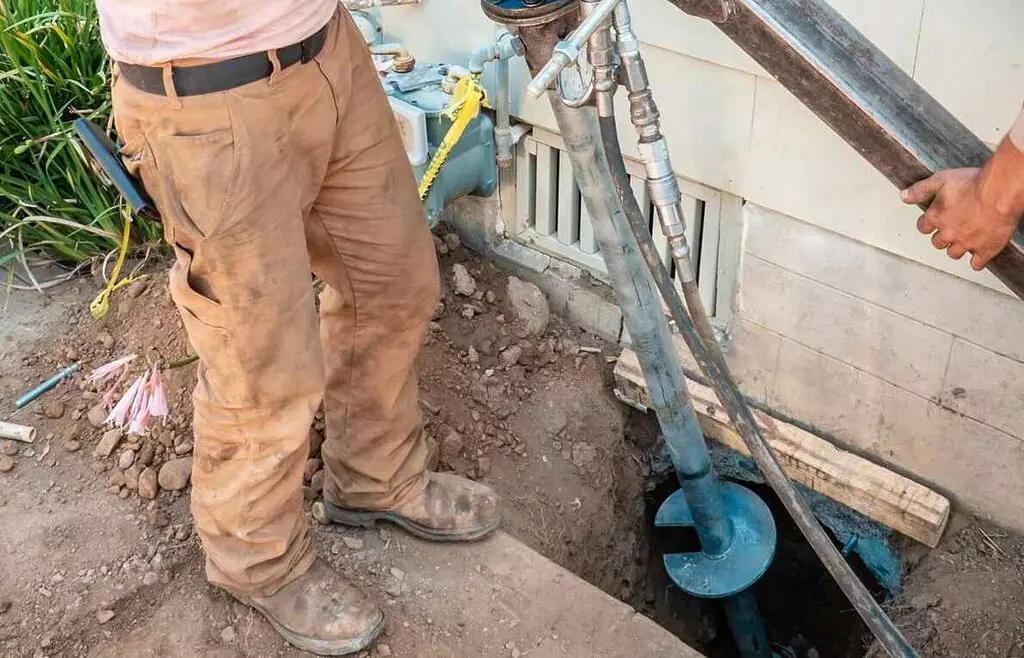
If the old pipe is heavily damaged but still maintains its path, pipe bursting is the preferred method. A powerful hydraulic machine pulls a conical bursting head through the old line. The steel head shatters the old clay or cast-iron pipe outward into the surrounding soil while simultaneously pulling a brand-new, seamless High-Density Polyethylene (HDPE) pipe into place behind it. This process requires only two small access holes one at the house and one at the city connection saving your lawn and driveway from destruction.
Navigating Local Regulations and Environmental Safety
When dealing with major subterranean plumbing overhauls, it is crucial to ensure that your chosen contractor adheres to all local municipal codes and environmental safety standards. Wastewater leaks pose a severe biological hazard to local groundwater systems and community health.
In Tulsa, plumbing systems connecting to the municipal grid must meet strict compliance guidelines. For information regarding municipal water quality, infrastructure planning, and proper utility connections, property owners can refer to the City of Tulsa Water and Sewer Department guidelines. Partnering with a licensed, insured, and deeply experienced local plumbing team ensures that all necessary permits are pulled, inspections are passed, and your home is fully protected under local law.
When you invest in professional broken sewer line repair, you are not just fixing a pipe; you are safeguarding your family’s health, preserving your property value, and restoring the comfort of your home. Do not let an underground leak escalate into a catastrophic failure. Take action at the first sign of trouble.