Understanding Clay Soil Pipe Damage in Tulsa, OK
When buying or maintaining a property in northeastern Oklahoma, homeowners pay close attention to structural components like roofing, HVAC systems, and foundation stability. However, one of the most critical systems protecting your home remains completely hidden from view. The network of main water supply lines and sewer drains buried deep beneath your lawn is responsible for safely managing every gallon of water your household uses. Unfortunately, the very earth supporting these utility lines poses a continuous, silent threat to their structural integrity.
For property owners throughout Green Country, dealing with plumbing failures is often an inevitability due to a single geologic factor: the local dirt.
If you have noticed sluggish drains, sudden drops in water pressure, or unexplained wet spots in your yard, you are likely dealing with the consequences of clay soil pipe damage.
While it is easy to assume that buried pipes are safely protected from the elements, Tulsa’s volatile subsurface environment actively works to bend, crush, and shear rigid plumbing materials over time. Left unchecked, subterranean pipe failures can wash away supporting subsoil, destroy landscaping, and even accelerate severe foundation settlement. This comprehensive guide explores the structural mechanics behind soil-driven plumbing failures, how to identify early warning signs, and the modern, non-destructive repair methods used by master technicians to protect your property.

The Subsurface Accordion: How Tulsa Dirt Destroys Plumbing
To understand why local plumbing systems are so vulnerable to failure, it is essential to look at the chemical and physical composition of Oklahoma’s earth. The Tulsa metropolitan area is famous for its dense, heavy blackland clay and shale-heavy soil profiles. Geotechnical engineers classify these as highly “expansive” or “volatile” soils, meaning their total physical volume shifts dramatically depending entirely on moisture content.
Clay soil behaves like a massive, subterranean sponge. During our wet spring seasons or periods of heavy flash flooding, the clay particles absorb thousands of gallons of stormwater. As they fill, they swell significantly in volume, exerting immense upward and outward pressure—measured at thousands of pounds per square foot—against everything buried within them. This phenomenon is known as soil heaving.
Conversely, when the intense Oklahoma summer heat sets in and triggers prolonged droughts, the moisture evaporates entirely from the earth. The clay shrinks violently, causing the ground to crack open, settle, and pull back from concrete slabs and buried infrastructure.
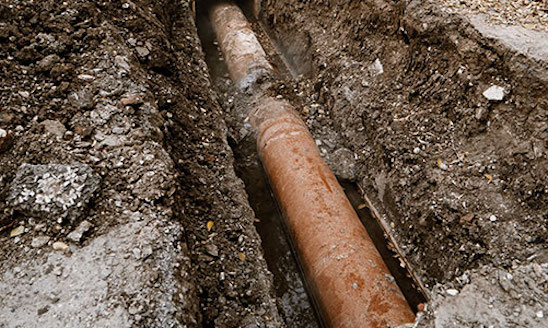
As the supporting earth drops away, heavy plumbing lines are left suspended across empty subterranean voids. Deprived of uniform subgrade support, the sheer weight of the earth above, paired with any surface loads like parked vehicles or concrete driveways, forces the rigid pipes to bow, sag, crack, or snap completely along their weakest joints.
Quick Reference: Soil Stressors vs. Material Failure
Different plumbing materials react in completely different ways to the continuous shifting of expansive earth. Review this structural reference table to see how common pipe types fare against local environmental forces:
| Pipe Material | Common Era | Vulnerability to Clay Soil | Primary Failure Mechanism | Repair Option |
| Vitrified Clay | Pre-1970s | Exceptionally High – Brittle and easily compromised. | Joint shearing from soil shifting; rapid root intrusion. | Trenchless pipe bursting or CIPP lining. |
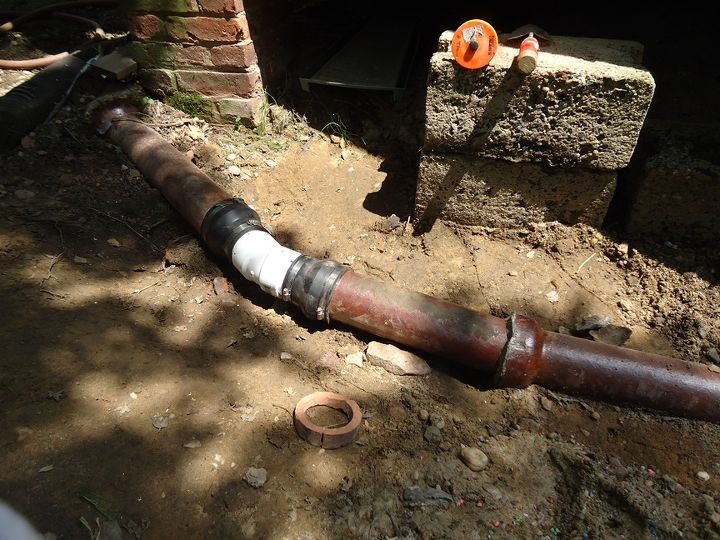
| Cast Iron | Pre-1980s | High – Rigid structure cannot flex with ground shifts. | Ground settling causes snapping; internal scale corrosion. | Under-slab tunneling, pipe lining, or bypass. |
| Schedule 40 PVC | 1980s–Present | Moderate – Possesses structural flexibility. | Glued joints break under heavy heaving; pipe punctures from rocks. | Targeted spot repair or trenchless replacement. |
| HDPE / PEX | Modern | Exceptionally Low – Highly flexible and seamless. | Resists shifting soil forces natively without cracking. | Long-term structural standard for new installs. |
4 Critical Signs of Clay Soil Pipe Damage
Because your main utilities are buried several feet underground, identifying subterranean structural damage requires looking for indirect clues around your property. Staying alert for these four critical warning signs can save you thousands of dollars in emergency excavation and structural remediation bills:
1. Persistent, Multi-Fixture Drainage Backups
An isolated clog in a single bathroom sink usually points to an everyday hair or soap scum blockage in the local P-trap. However, if multiple waste fixtures across your entire home—such as your master shower, guest toilet, and laundry room drain—all begin backing up simultaneously, the issue is deep within your main sewer lateral. When shifting clay soils crush or belly a main sewer line, it creates a physical dam that traps solid waste, resulting in frequent, unresolvable backups.
2. Gurgling Sounds and Trapped Air Bubbles
Your home’s plumbing system relies on steady atmospheric pressure, regulated by roof vents, to allow wastewater to flow smoothly via gravity. When clay soil pipe damage causes a sewer line to sag or crack, it breaks this hydraulic balance, creating standing pools of water or structural restrictions inside the pipe. As a result, when you flush a toilet or drain a full bathtub, the moving water forces trapped air backward through the system, resulting in distinct gurgling or bubbling noises coming from your shower or sink drains.
3. Structural Soil Indentations and Lawn Sinkholes
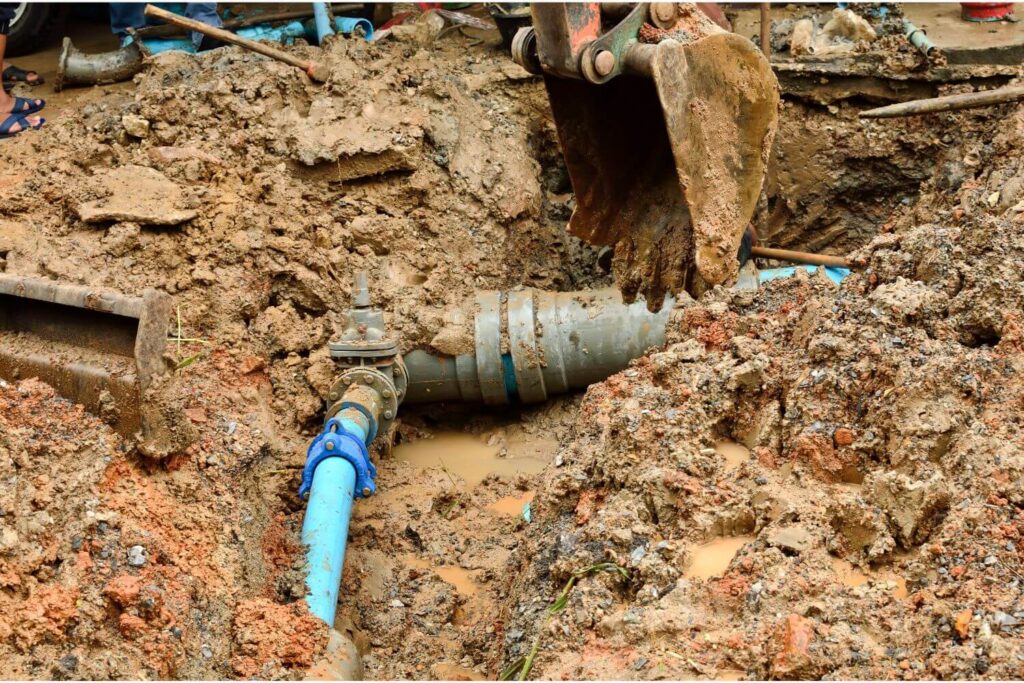
When a pressurized water line or a gravity-fed sewer main cracks open underground, the escaping water flows continuously into the surrounding earth. Over time, this constant stream of water turns the dense clay into liquid mud and slowly washes away the fine silt and sand particles supporting the subgrade. As this subsurface erosion expands, the top layers of topsoil lose their support base and cave inward, resulting in noticeable dips, soggy marshy patches, or dangerous sinkholes forming along your property line.
4. Rapidly Expanding Foundation Cracks
Water is the ultimate catalyst for foundation instability. When a buried line suffers a structural break directly beneath or adjacent to a concrete slab foundation, the escaping water can trigger severe localized soil heaving or washouts. This sudden, uneven ground movement deprives the concrete foundation beam of its support base, causing a section of the home to settle rapidly. If you notice interior drywall cracks, sticking doors, or exterior brick fissures widening rapidly over a matter of weeks, an underlying pipe failure is likely accelerating the structural damage.
Advanced Methods for Repairing Subsurface Pipe Failures
1.Deploy High-Definition Sewer Camera Inspections:10-15 min.
Plumbers never dig blindly. Technicians insert a flexible, fiber-optic camera directly into your sewer cleanout, navigating through the entire line to visually inspect the interior walls. This allows them to pinpoint the exact footage, depth, and specific type of structural damage caused by the clay soil, ensuring absolute diagnostic accuracy.
2.Execute Hydro-Jetting Material Decontamination:Clears the path.
If the camera reveals heavy root intrusion or dense mud blockages entering through soil-driven cracks, the line must be cleaned before structural fixes can begin. Technicians utilize a high-pressure hydro-jetter to blast streams of water up to 4,000 PSI through the pipe, scouring the walls clean and flushing away all obstructions safely.
3.Install Cured-in-Place Pipe (CIPP) Lining:Non-destructive fix.
If the structural integrity of the old pipe is still intact but it suffers from cracks and leaking joints, trenchless CIPP lining is the gold standard. An epoxy-saturated felt sleeve is pulled through the pipe, inflated with an internal air bladder, and left to cure. Within hours, the epoxy hardens into a seamless, root-proof, and flexible new pipe inside the old one.
4.Execute Trenchless Pipe Bursting Replacement:For collapsed sections.
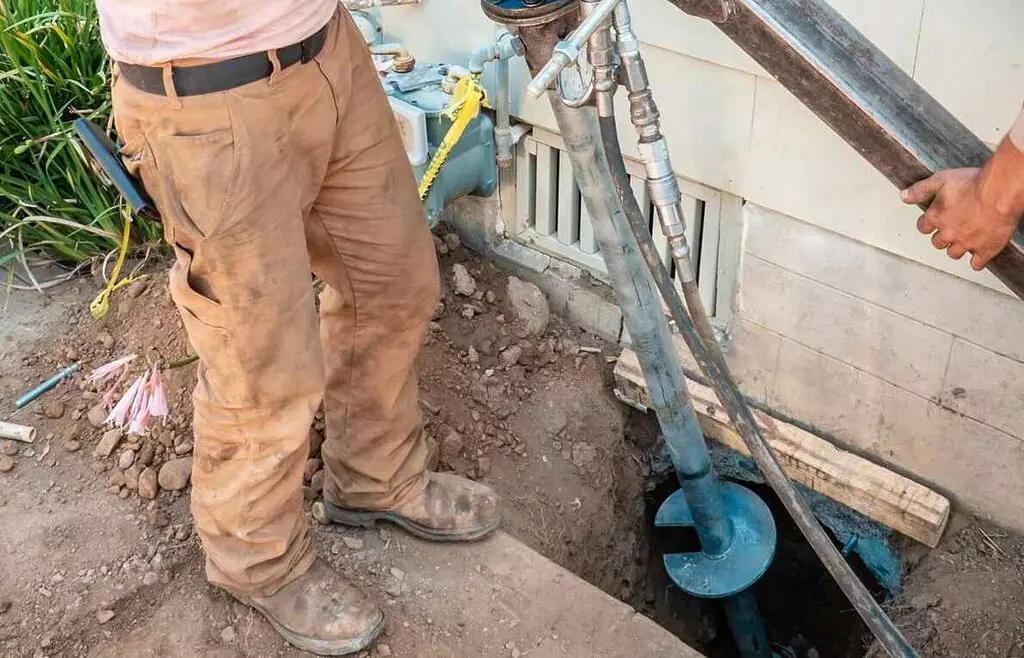
If shifting clay has completely crushed or broken a section of the line, pipe lining may not be possible. Instead, technicians deploy pipe bursting. A heavy steel, cone-shaped bursting head is pulled through the old line via a hydraulic winch, shattering the damaged pipe outward while simultaneously pulling a seamless, flexible HDPE pipe into place behind it.
5.Perform a Hydrostatic Pressure Validation Test:Post-repair mandate.
Once the trenchless repairs or targeted spot fixes are fully implemented, the entire plumbing network is isolated and filled with water to verify structural success. This pressure test ensures that every single joint, liner, and connection is 100% airtight and watertight, confirming that your property is fully protected against future soil movement.
Coordinating Infrastructure Health and Environmental Standards
Managing major underground utility failures requires a deep understanding of local environmental interactions. Because wastewater leaks carry dangerous biological pathogens, bacteria, and chemical residues, a cracked sewer line poses a direct threat to the surrounding ecosystem, potentially contaminating local groundwater tables and nearby streams.
For property owners in the Tulsa metro area, maintaining compliance with municipal standards is highly important when completing major drainage overhauls. To learn more about regional water quality protocols, infrastructure projects, and proper environmental protections, you can review the guidelines provided by the Oklahoma Department of Environmental Quality (DEQ). Partnering with a licensed, experienced plumbing contractor ensures that all work is executed cleanly, all local municipal building permits are filed correctly, and your repair project adheres completely to modern public safety codes.
By choosing durable, flexible modern materials like HDPE or seamless PVC during your clay soil pipe damage repairs, you break the cycle of recurring leaks and structural shifting, keeping your home safe and dry for decades to come.