Water Heater Replacement Guide for Tulsa Homes
Hot water is an essential component of daily residential comfort, supporting everything from morning showers to dishwashing and laundry. However, because water heaters operate quietly in basements, closets, or garages, homeowners often overlook them until a sudden failure occurs. Recognizing the warning signs early and understanding your upgrade options ensures your household retains a steady, energy-efficient supply of hot water.
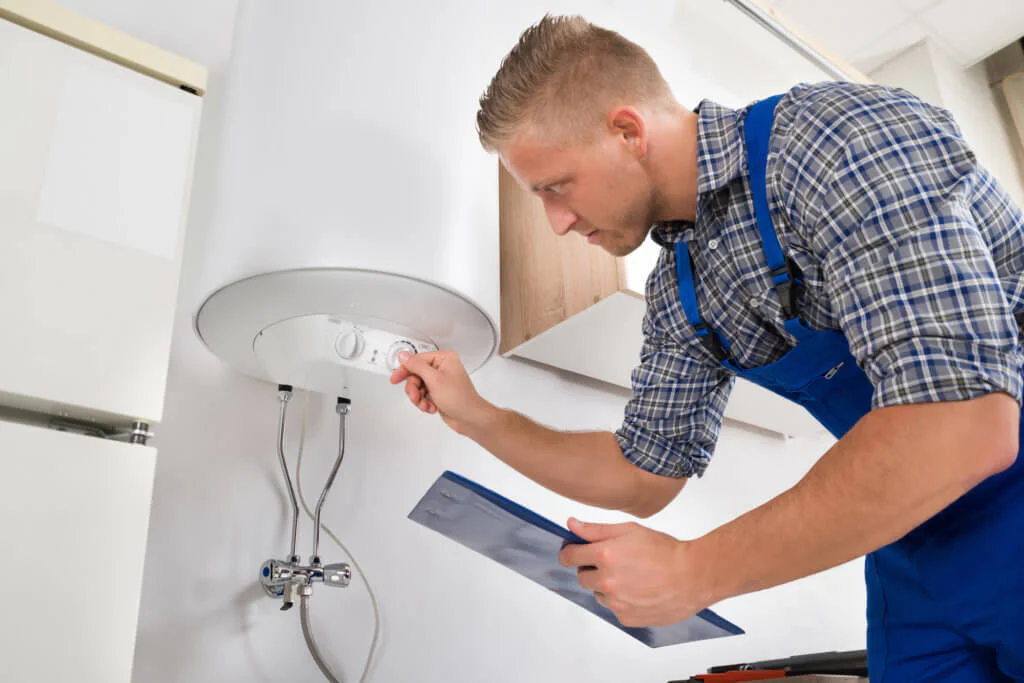
Whether you are facing an aging tank or planning a home upgrade, investing in a timely water heater replacement protects your property from water damage while lowering monthly utility bills. In this guide, we break down the critical failure indicators, system types, and key installation factors for homeowners across the Tulsa metropolitan area.

Direct Overview: Water Heater System Comparison
To help you evaluate options for your water heater replacement, the table below compares standard storage tank units, tankless systems, and hybrid heat pump models across essential performance metrics:
| Water Heater Type | Average Lifespan | Energy Efficiency | Initial Investment | Best Suited For |
| Traditional Storage Tank | 8 – 12 Years | Standard (0.58 – 0.63 UEF) | Low to Moderate | Budget-conscious households with consistent daily water usage |
| Tankless (On-Demand) | 15 – 20+ Years | High (0.81 – 0.96 UEF) | Moderate to High | High-demand households, limited utility spaces, energy savings |
| Hybrid Heat Pump | 10 – 15 Years | Very High (3.0+ UEF) | Higher Initial Cost | Homes in warmer climates with adequate installation space |
5 Warning Signs You Need a Water Heater Replacement
Water heaters rarely fail without emitting warning signs. Identifying these physical and operational indicators allows you to arrange a planned replacement rather than dealing with an emergency cleanup.
1. Unit Age Exceeding 10 Years
Most standard tank water heaters have an operational design lifespan of 8 to 12 years. If your system is approaching or past the decade mark, internal corrosion is likely underway, regardless of whether external leaks are visible yet.
2. Rusty or Discolored Water
If hot water coming from your faucets exhibits a brown, yellow, or metallic tint while cold water remains clear, internal tank lining deterioration is taking place. Once rust penetrates the steel tank wall, a leak is imminent.
3. Knocking, Rumbling, or Popping Sounds
Over years of continuous operation, hard water minerals settle at the bottom of the heating tank. As water becomes trapped beneath this hardened sediment layer and boils, it causes loud popping or rumbling noises. Sediment buildup also acts as an insulating barrier, forcing the burner or element to run longer and accelerating tank metal fatigue.
4. Moisture around the Base of the Tank
Standing water or persistent moisture around the base of your water heater indicates a micro-fracture in the inner tank wall. As metal expands during heating cycles, tiny cracks open up, allowing water to escape.
5. Inconsistent Temperatures or Running Out of Hot Water
If your morning shower turns lukewarm twice as fast as it used to, heating elements are likely failing or sediment accumulation has severely reduced the active heating volume inside the tank.
Choosing the Right System: Tank vs. Tankless
When comparing tank vs. tankless models for your water heater replacement, consider your household’s peak water demand and long-term energy goals.
Hot Water Delivery Architecture:
[Cold Water Line] ➔ [Gas Burner / Electric Heating Element] ➔ [Immediate On-Demand (Tankless) OR Stored Hot Water Reserve (Tank)] ➔ [Residential Fixtures]
Traditional Storage Tank Water Heaters
Conventional water heaters maintain a continuous reservoir (typically 40 to 80 gallons) of hot water, keeping it ready for immediate draw throughout the day.
- Pros: Lower upfront unit and installation costs; simple mechanical setup.
- Cons: Higher standby energy loss; finite hot water volume before requiring recovery time.
Tankless (On-Demand) Water Heaters
Tankless units heat water instantly via high-output burners or elements only when a fixture is opened, eliminating standby energy consumption.
- Pros: Unlimited continuous hot water; compact wall-mounted design; longer overall operational life.
- Cons: Higher initial installation cost; may require gas line expansion or electrical panel upgrades during conversion.
To learn more about energy efficiency standards and calculating uniform energy factor ratings for home appliances, consult the official consumer resource guide at Energy.gov.
Professional Installation and Sizing Requirements
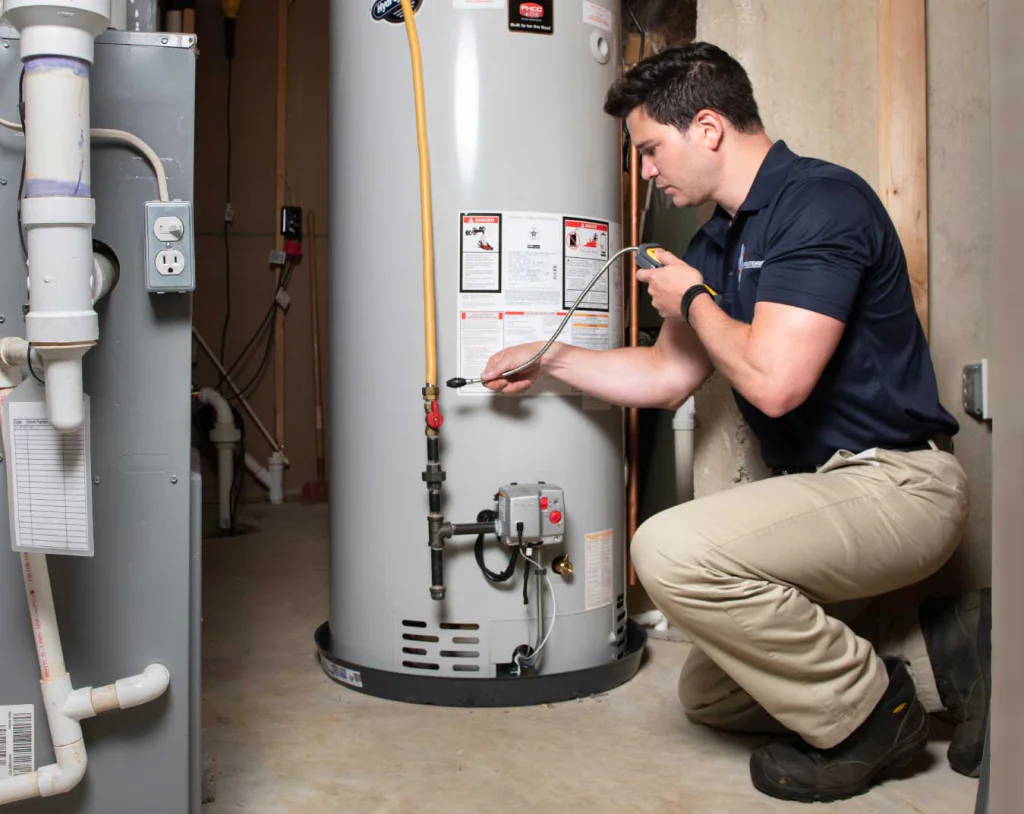
A successful replacement involves precise thermal calculation and safety compliance beyond simple plumbing connections.
- Sizing the Unit: Proper sizing depends on peak hour demand the total volume of hot water your household requires during its busiest hour of the day rather than household square footage alone.
- Venting and Safety Valves: Gas units require clear venting (direct vent or atmospheric) to exhaust combustion gases safely outdoors, alongside a properly piped Temperature and Pressure (T&P) relief valve to prevent tank over-pressurization.
- Local Code Compliance: Professional plumbers ensure installations meet municipal building codes, including expansion tank integration, proper gas shut-off access, and seismic bracing where required.
For reliable local installation backed by upfront flat-rate pricing and licensed professionals, explore the complete range of home water heating solutions available through Wooten Plumbing.